Electricity is an essential component of modern life, powering everything from lighting and appliances to heating, cooling, and smart home systems. Despite its importance, residential electrical systems are often overlooked until a problem becomes severe. Ignoring minor electrical issues can lead to costly repairs, safety hazards, and even property damage. Identifying the early signs that your home requires electrical repairs is crucial to protecting your property, ensuring the safety of your family, and maintaining the functionality of your home.
Residential electrical systems are complex networks of wiring, circuits, panels, and outlets. Over time, wear and tear, outdated components, improper installation, or increased electrical demand can compromise the system. Small problems, if left unaddressed, can escalate into larger issues such as electrical fires, shocks, or widespread outages. Understanding when to call a licensed electrician and recognizing early warning signs is the first step toward preventing serious damage and costly repairs. Check out https://www.nashelectricnc.com/ for more details.
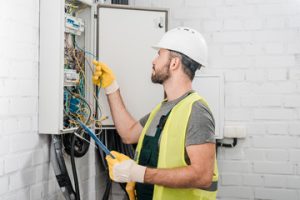
Frequent Circuit Breaker Trips
One of the most common signs of electrical problems is a circuit breaker that frequently trips. Circuit breakers are designed to protect your home by interrupting power when a circuit becomes overloaded or encounters a short circuit. However, repeated trips indicate that the electrical system is under stress.
Frequent breaker trips may result from:
- Overloaded Circuits – Too many high-power devices operating simultaneously on a single circuit.
- Faulty Breakers – Breakers that have worn out or are no longer functioning correctly.
- Wiring Issues – Loose connections, damaged wires, or outdated wiring that cannot handle modern electrical demands.
Ignoring this warning sign can lead to overheating, damage to appliances, or potential fire hazards. Professional electrical repair ensures that circuits are balanced, wiring is secure, and breakers function properly.
Flickering or Dimming Lights
Flickering or dimming lights are often dismissed as minor annoyances, but they can indicate serious underlying electrical problems. If lights dim when appliances are turned on or flicker without a clear cause, it may signal voltage fluctuations or poor connections.
Common causes include:
- Loose or Corroded Wiring – Connections that degrade over time can lead to intermittent power delivery.
- Overloaded Circuits – Circuits struggling to supply power to multiple devices simultaneously.
- Faulty Outlets or Fixtures – Older electrical components that are failing and may need replacement.
Addressing these issues promptly prevents damage to sensitive electronics, reduces fire risk, and ensures consistent power delivery throughout the home.
Unusual Burning Smells or Sparks
The smell of burning plastic or insulation near outlets, switches, or panels is an urgent warning sign of electrical trouble. Sparks when plugging in devices or turning on switches also indicate potentially dangerous issues. These symptoms often suggest overheated wires, short circuits, or failing electrical components.
Allowing these problems to persist can result in electrical fires, property damage, and injury. Licensed electricians can identify the source of overheating, replace damaged components, and implement safety measures to prevent escalation. This type of repair is critical for maintaining household safety.
Hot Outlets or Switches
Outlets or switches that feel warm or hot to the touch should never be ignored. Heat indicates that electricity is not flowing properly and that the wiring or devices may be overloaded. Common causes of overheating include:
- High Electrical Load – Plugging multiple high-power appliances into a single outlet or circuit.
- Loose Connections – Wires that have become detached or corroded, causing resistance and heat buildup.
- Faulty Devices – Switches, outlets, or plugs that are failing internally.
Professional inspection and repair ensure that outlets and switches operate safely, preventing fires and equipment damage. Replacing or upgrading outlets may also be necessary to meet the electrical demands of modern households.
Buzzing or Crackling Sounds
Electrical components should operate quietly. Buzzing, humming, or crackling sounds from outlets, switches, or the main panel are signs that something is wrong. These noises often indicate arcing, loose connections, or overloaded circuits.
Electrical arcing occurs when electricity jumps across gaps in wiring, producing heat and sparks that can ignite fires. Licensed electricians are trained to detect and repair these issues, securing connections, replacing damaged components, and ensuring that circuits are properly balanced. Ignoring these sounds can lead to catastrophic failure or significant property damage.
Frequently Blown Fuses
In older homes, fuses provide circuit protection instead of modern breakers. If fuses blow repeatedly, it indicates an underlying problem such as overloading, short circuits, or aging wiring.
Repeatedly replacing fuses without addressing the root cause is a temporary solution that does not prevent escalation. Upgrading to modern circuit breakers and addressing wiring issues improves safety, allows for higher electrical capacity, and provides long-term reliability.
Outdated or Damaged Wiring
Older homes often contain outdated electrical wiring, such as knob-and-tube or aluminum wiring, which may not meet current safety standards. These systems can degrade over time, increasing the risk of overheating, shorts, and fires.
Signs of outdated or damaged wiring include:
- Flickering lights or frequent breaker trips
- Discolored or warm outlets
- Sparks or buzzing noises
- Odors of burning insulation
Professional electricians can assess the condition of your wiring, replace outdated components, and upgrade your system to accommodate modern appliances safely and efficiently. Proper wiring upgrades not only prevent electrical hazards but also enhance energy efficiency and reduce utility costs.
Surges and Power Fluctuations
Frequent electrical surges or power fluctuations can damage sensitive electronics and appliances. Causes may include faulty wiring, inadequate grounding, or issues with the main electrical panel.
Installing surge protection devices and repairing underlying wiring issues can prevent damage to expensive equipment, improve reliability, and ensure that electricity flows smoothly throughout the home. Professional electrical services can identify sources of surges and implement solutions that safeguard the entire system.
Non-Functional Outlets or Switches
Outlets or switches that no longer work are a sign that the electrical system requires attention. While sometimes caused by tripped breakers, persistent non-functionality may indicate wiring issues, damaged outlets, or failing circuit breakers.
Ignoring these problems reduces convenience and may limit the ability to use essential appliances safely. Licensed electricians can diagnose the issue, replace or repair outlets, and ensure the system operates efficiently and safely.
Increased Electrical Bills Without Explanation
A sudden spike in electricity bills without an increase in usage can be a subtle sign of electrical inefficiency. Worn wiring, faulty breakers, or outdated appliances can consume excess electricity.
Energy-efficient electrical repairs, such as upgrading wiring, installing modern breakers, or integrating smart devices, help reduce unnecessary energy consumption. Professional electricians can evaluate your system, identify areas of inefficiency, and recommend upgrades that lower utility costs while improving system performance.
Benefits of Addressing Electrical Problems Early
Addressing electrical issues promptly offers multiple benefits for homeowners:
- Safety Assurance – Early repairs prevent hazards such as fires, shocks, and equipment damage.
- Cost Savings – Timely maintenance avoids costly emergency repairs and reduces energy waste.
- System Reliability – Repairs improve the performance and longevity of electrical components.
- Property Value Protection – A well-maintained electrical system enhances the overall value and appeal of the home.
- Peace of Mind – Knowing that your electrical system is safe and functional reduces stress for homeowners and families.
Preventive maintenance and timely repairs are crucial for maintaining a safe, reliable, and efficient home electrical system.
Why Hiring Licensed Electricians Matters
Attempting DIY electrical repairs or hiring unlicensed individuals can be dangerous. Electricity is inherently hazardous, and mistakes can result in injury, fire, or legal liability. Licensed electricians bring professional training, experience, and knowledge of safety codes and best practices.
Professional services include:
- Comprehensive inspections to identify underlying issues
- Safe repair and replacement of outlets, breakers, panels, and wiring
- Compliance with national and local electrical codes
- Recommendations for energy-efficient upgrades
- Long-term maintenance and emergency support
Hiring a licensed professional ensures that repairs are performed correctly, reducing risk and providing peace of mind.
Recognizing the signs that your home requires residential electrical repairs is essential for safety, efficiency, and cost management. Frequent breaker trips, flickering lights, burning smells, hot outlets, buzzing noises, outdated wiring, and unexplained spikes in energy bills are all indicators that your electrical system may need attention.
Prompt intervention by licensed electricians prevents minor issues from escalating into dangerous and costly problems. Professional repairs improve safety, enhance reliability, support energy efficiency, and maintain property value.
By addressing electrical issues early, homeowners protect their families, safeguard appliances, and ensure a functional, efficient, and modern electrical system. Regular inspections and timely repairs are not merely a convenience—they are a critical investment in the safety and longevity of any home. Taking action before problems escalate is the smartest way to maintain a safe and reliable electrical infrastructure that meets the demands of today’s modern living.